
The Origins of Gambling
The history of gambling can be traced back thousands of years, with evidence suggesting that ancient civilizations engaged in various forms of betting and games of chance. Archaeological findings reveal that the Chinese, for instance, utilized rudimentary forms of gambling as early as 2300 BC. Dice, made from materials like bone and ivory, were widely used in these early games, indicating the universal appeal of chance and luck across different cultures. Today, the Pin Up apk allows you to explore various games at your convenience.
Similarly, the Romans and Greeks incorporated gambling into their social fabric. They played games with dice, and betting on chariot races was a popular pastime. These early forms of gambling laid the groundwork for more structured games that would develop in the centuries to follow.
The Rise of Organized Gambling
As societies evolved, so did gambling practices. The Middle Ages saw the establishment of betting houses and more formalized games such as card games and lotteries. These developments were not just about recreation; they often served as significant sources of revenue for governments and royalty. In Europe, lotteries became a popular means to fund public projects, demonstrating how gambling was intertwined with societal development. Furthermore, licensed avenues facilitate a responsible Pinup App Download experience.
The emergence of casinos in the 17th century marked a pivotal moment in gambling history. Italy was home to some of the first casinos, where patrons could engage in various games of chance under one roof. This innovation not only increased the popularity of gambling but also transformed it into a glamorous and social activity.
The Modern Era of Gambling
The 20th century brought about significant changes in the landscape of gambling. The legalization of casinos in various states and countries created a boom in the gambling industry. Las Vegas emerged as the epicenter of this revolution, attracting millions of visitors seeking entertainment and fortune. The introduction of slot machines and electronic gaming further modernized the gambling experience, making it more accessible to the public.
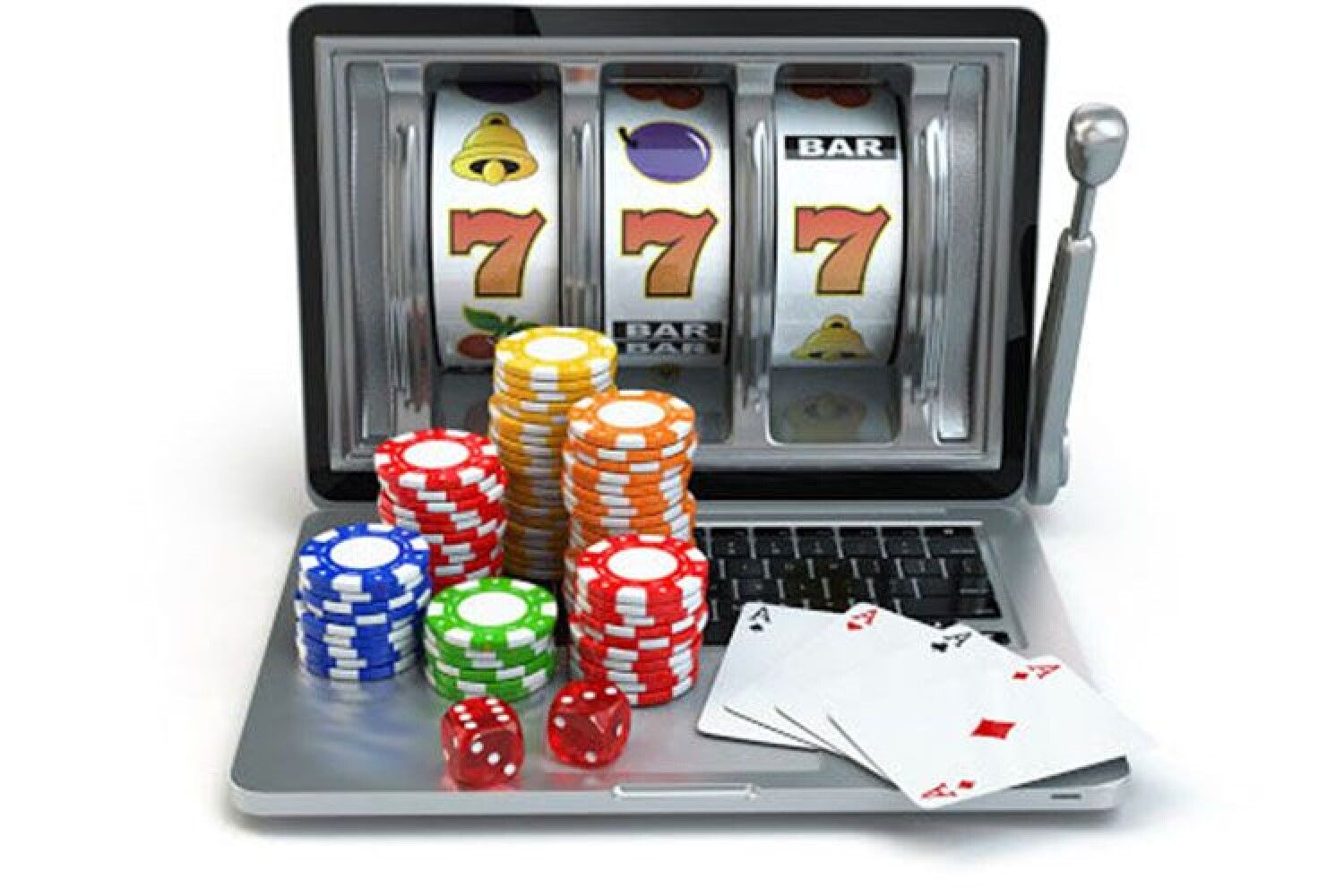
With the advent of the internet, gambling underwent another radical transformation. Online casinos emerged in the late 1990s, enabling players to gamble from the comfort of their homes. This accessibility attracted a broader audience, and online gambling has since become a multi-billion dollar industry worldwide.
The Role of Technology in Gambling
Technological advancements continue to shape the gambling landscape. Mobile applications have made it easier than ever for players to engage in their favorite games on the go. Platforms like the Pin-Up app demonstrate how technology enhances user experience through seamless navigation and diverse gaming options. With features like account management and personalized gameplay, players can enjoy an exciting gambling experience anytime, anywhere.
Moreover, technologies such as artificial intelligence and blockchain are beginning to influence the sector. AI helps in creating tailored gaming experiences, while blockchain enhances security and transparency, addressing some of the longstanding concerns associated with online gambling.

Pin Up Casino and Its Impact on Gambling Culture
Pin Up Casino exemplifies the modern approach to gambling, combining tradition with innovation. By offering a wide array of games and user-friendly features, it appeals to both seasoned gamblers and newcomers alike. The availability of the Pin-Up app allows users to stay connected to their gaming preferences and participate in exciting events, further solidifying the casino’s presence in the industry.
As gambling continues to evolve, platforms like Pin Up Casino play a significant role in shaping the future of the industry. By prioritizing user experience and leveraging technology, they not only enhance engagement but also contribute to the broader gambling culture, ensuring its relevance in a rapidly changing world.